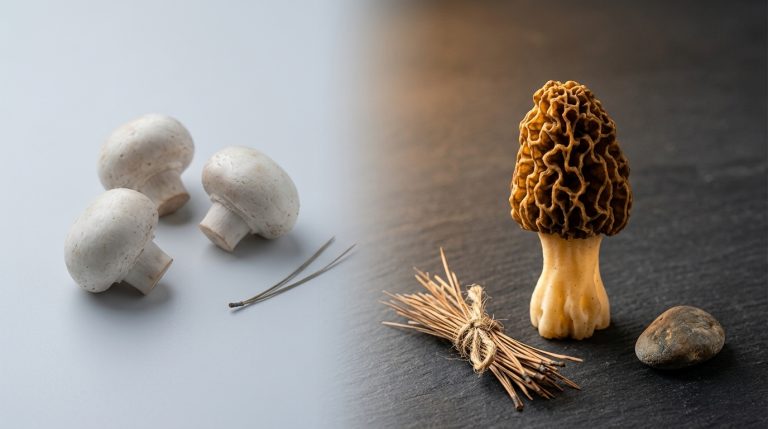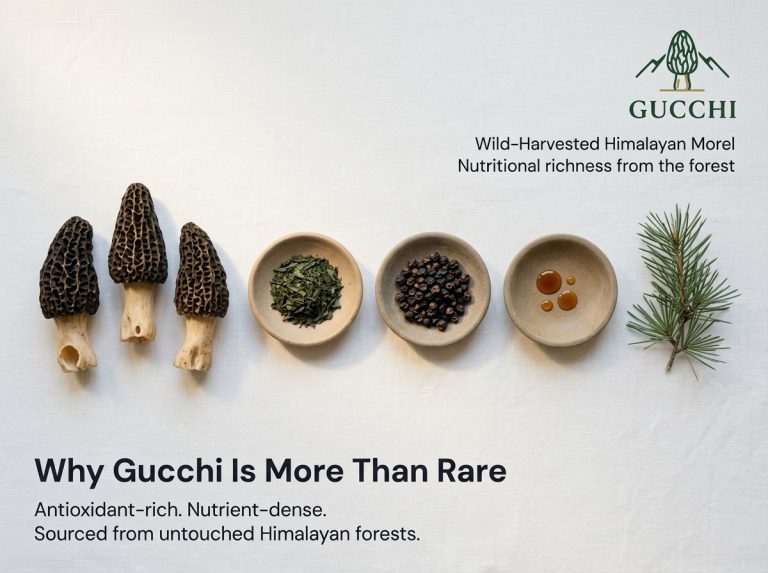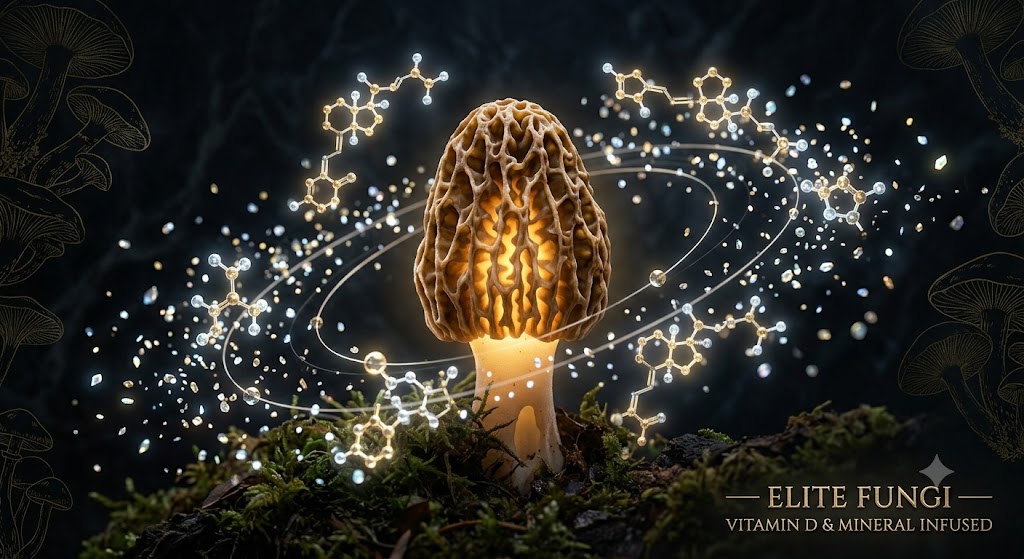
Himalayan gucchi stands apart from other mushrooms because it refuses to be tamed by farms or factories. Grown only in untouched Himalayan forests, its harvest depends on precise seasons, steep terrain, and centuries-old gathering traditions. This rarity shapes your summer table with more than flavor—it brings a story of origin and prestige. Let’s explore why this wild mushroom remains exclusive and why that exclusivity transforms any dish into a celebration. https://www.banaksha.in/post/gucchi-mushrooms-a-hidden-himalayan-treasure-you-must-try
Enigma of the Himalayan Gucchi
The Himalayan gucchi is more than a mushroom; it’s a story, a tradition, and a taste of the wild. In this section, we journey into the heart of the Himalayas to uncover what makes gucchi so special.
Wild Harvesting Mystique
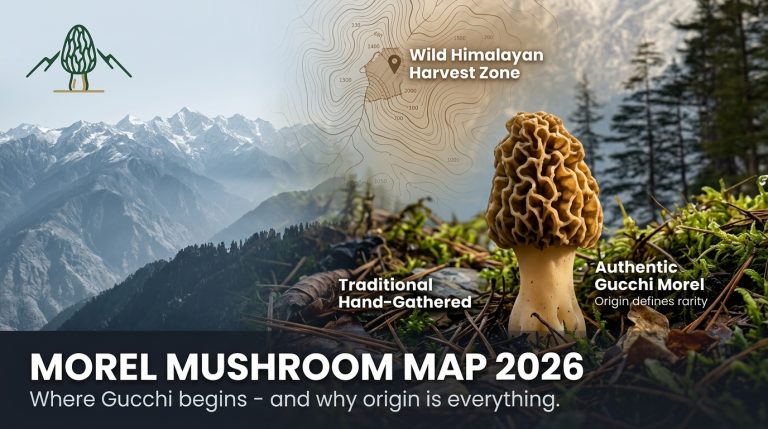
Gucchi mushrooms, or Himalayan morels, start their journey in the pristine forests of the Himalayas. Unlike common mushrooms, they grow in the wild, embracing the untouched terrain. This natural growth lends them a unique flavor and an unmatched freshness. Each piece you savor is a testament to the forest’s bounty.
The harvesting process itself is a tale of patience and precision. Gatherers venture into steep and rugged terrains during specific seasons, guided by ancestral knowledge. This labor-intensive method not only ensures the mushrooms’ quality but also their rarity. With only a short window for collection, every harvest becomes a race against time, intensifying their value.
For the gatherers, these mushrooms are more than food; they’re a heritage. Each trip into the forest is a bridge between the past and present, connecting them to their ancestors and the land.
Traditional Foraging Techniques
Foraging for gucchi is a tradition that runs deep in Himalayan culture. Passed down through generations, these techniques have remained unchanged, preserving both the mushroom’s quality and the environment. This practice respects the natural cycle, ensuring sustainability and the forest’s health.
Gatherers rely on knowledge passed through generations, understanding which spots will yield the best mushrooms. They navigate the forest with a keen eye, identifying the perfect time and conditions for the best harvest. This intricate dance between nature and tradition ensures that each gucchi mushroom you enjoy is a product of care and respect.
The value of gucchi is not just in its taste but in the process that brings it to your plate. Each mushroom represents hours of careful foraging and a commitment to preserving cultural heritage. This story, steeped in tradition, amplifies its prestige on any summer table.
The Intersection of Culture and Cuisine
While gucchi mushrooms are deeply rooted in Himalayan culture, their reach extends far beyond. They bridge the gap between heritage and gourmet dining, offering a rich narrative with every bite.
Heritage in Every Bite
Every gucchi mushroom carries the essence of Himalayan heritage. As you savor its earthy flavor, you partake in a story that spans generations. This connection to the past enriches the dining experience, adding layers of meaning and emotion to each dish.
The cultural significance of gucchi extends beyond its origin. It’s a symbol of community and livelihood for many Himalayan families. By choosing gucchi, you support these communities, embracing a sustainable and ethical choice that honors tradition and fosters a connection between the consumer and the forager.
Gucchi on the Summer Table
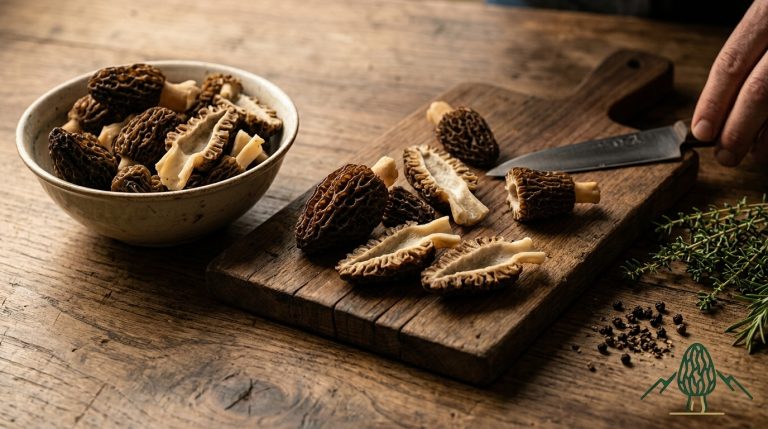
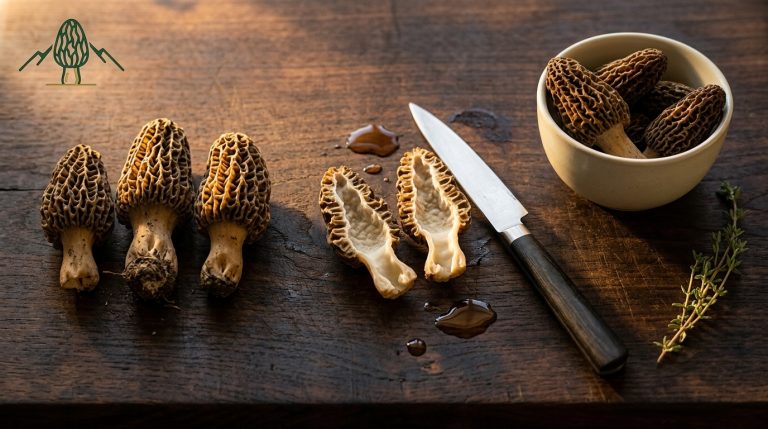
Incorporating gucchi into your summer menu elevates any occasion. Its distinct flavor profile and rich history make it a must-have for those seeking a unique culinary experience. Chefs worldwide celebrate gucchi for its ability to transform simple dishes into gourmet sensations.
Gucchi is perfect for summer entertaining, adding a touch of luxury and authenticity to your table. Whether it’s a pre-Independence Day celebration or a Fourth of July feast, gucchi mushrooms provide a story worth sharing with your guests. Their rarity and provenance make them a prized addition to any chef’s selection.
The Luxury of Rarity
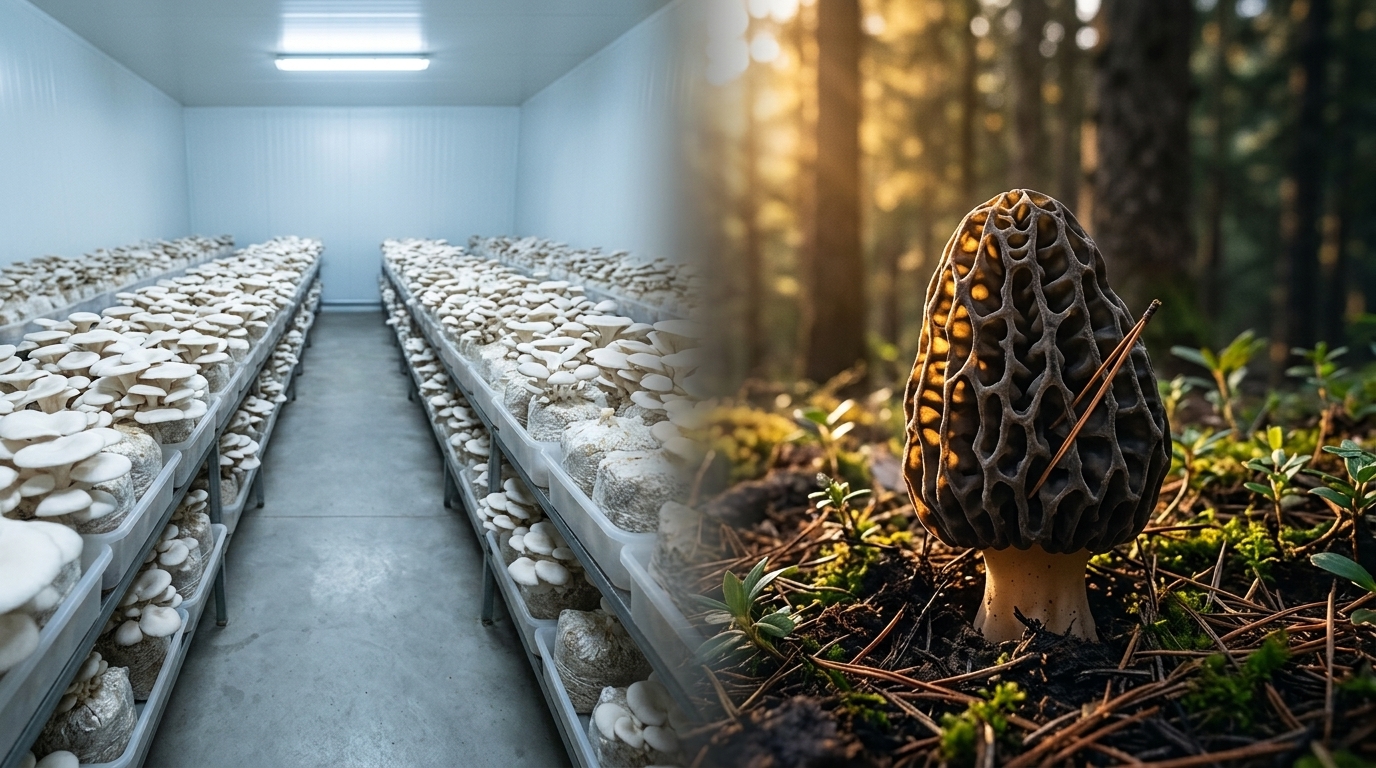
Gucchi mushrooms are a luxury in their own right. Their scarcity, coupled with the unique conditions of their growth, makes them a valuable culinary gem.
Why Morels Can’t Be Farmed
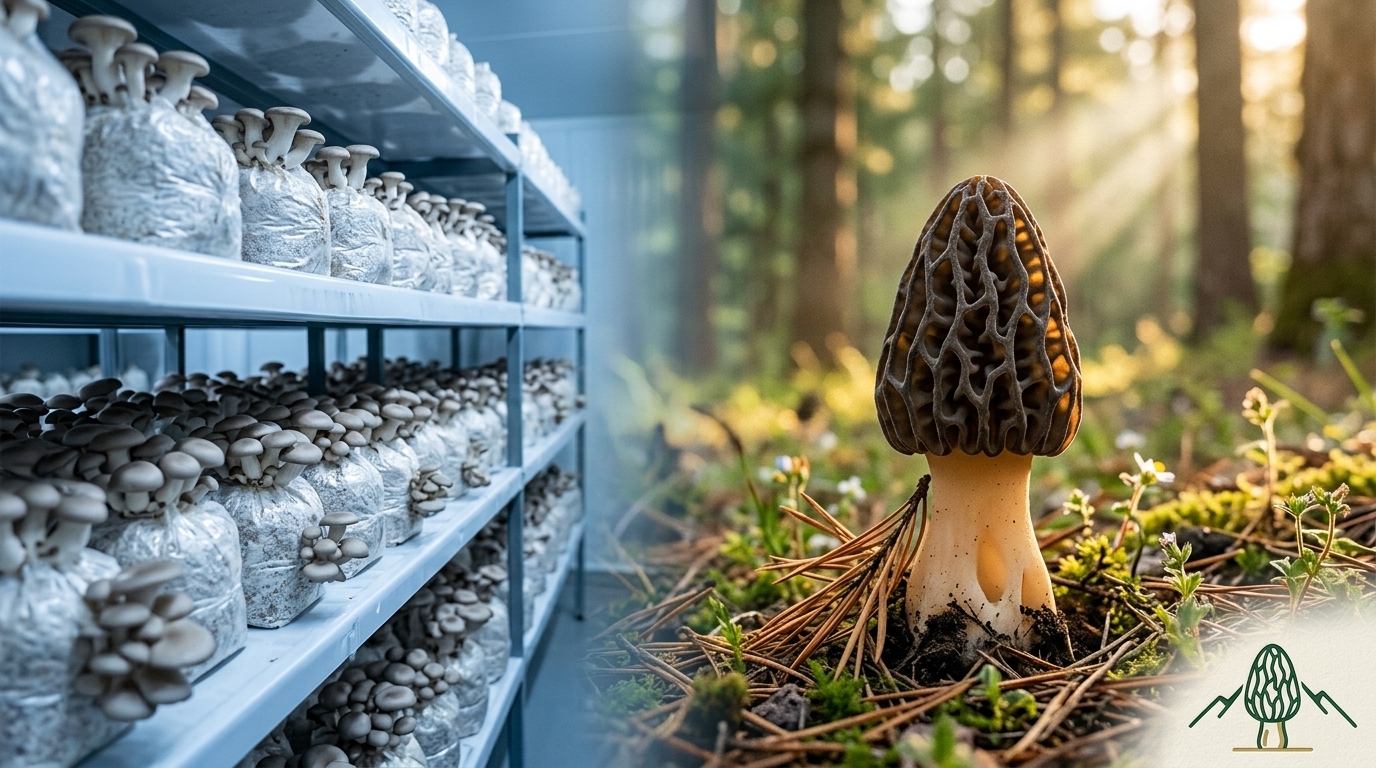
Unlike many mushrooms that thrive in controlled environments, gucchi resists cultivation. It demands the specific conditions of the Himalayan forests, thriving only in the wild. This natural resistance to farming highlights its unique terroir, making it a sought-after delicacy.
The inability to farm gucchi commercially is a key driver of its value. It ensures that what you enjoy is truly wild, a product of nature’s whims and not human intervention. This authenticity guarantees a superior taste, unmatched by any cultivated counterpart.
Small-Batch Sourcing and Provenance 🌿
Sourcing gucchi is a small-scale operation, where each batch is a testament to careful and sustainable practices. This approach ensures that the mushrooms maintain their quality and essence, enhancing their culinary appeal.
The provenance of gucchi mushrooms adds to their allure. When you serve gucchi, you’re offering more than just taste; you’re sharing a piece of the Himalayas, a story of tradition and sustainability. Each mushroom is a reminder of the journey from the forest floor to your fine dining table, embodying the luxury of nature’s bounty.
Frequently Asked Questions
What makes Himalayan gucchi mushrooms unique?
Himalayan gucchi mushrooms are unique because they grow only in the wild Himalayan forests. Their rarity and the labor-intensive harvesting process make them a prized ingredient in gourmet cuisine.
Can gucchi mushrooms be cultivated?
No, gucchi mushrooms cannot be cultivated at commercial scale. They require specific natural conditions found only in the Himalayas, making them rare and highly valued.
Why are gucchi mushrooms considered a luxury ingredient?
Gucchi mushrooms are considered a luxury due to their scarcity, unique flavor, and cultural significance. Their wild-only growth and traditional harvesting practices add to their exclusivity and gourmet appeal.